RoofMan Official Blog
"If we teach today as we taught yesterday, we rob our children of tomorrow."
Archives
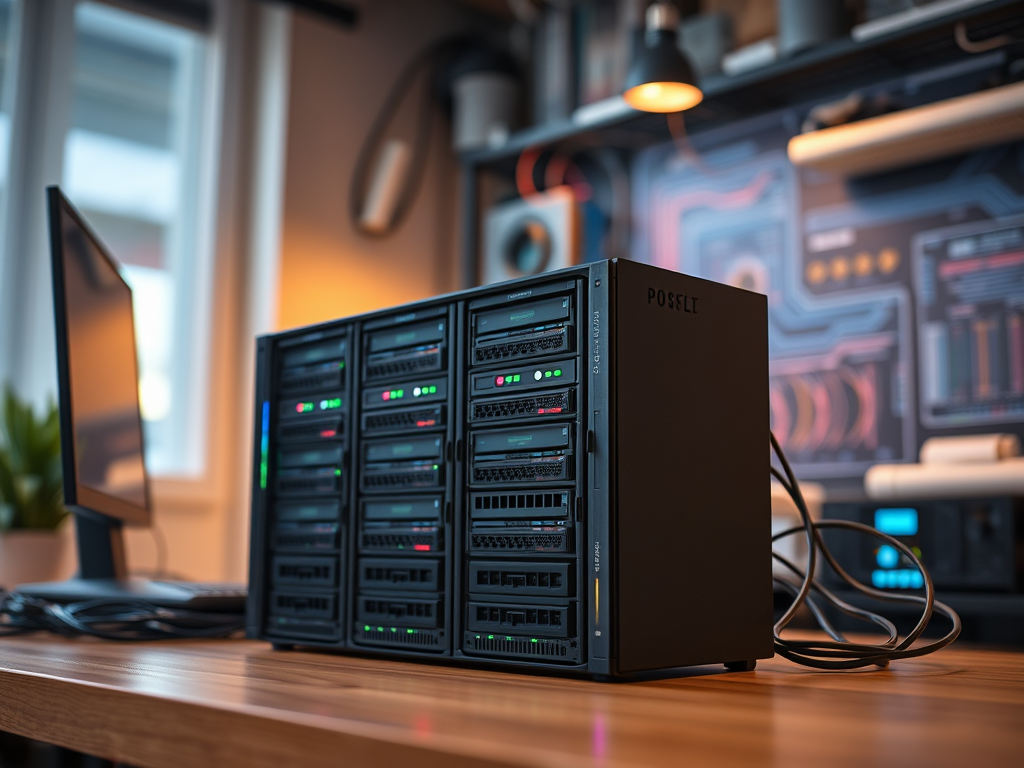
Micro data centers are compact, efficient infrastructures that consume 1–2 megawatts annually, providing autonomy and resilience outside of commercial cloud dependencies. They serve specialized use cases, making them ideal for home labs and research environments. The primary challenge in these settings is reliable connectivity, often relying on residential DSL and wireless connections, which can be fragmented. To address this, the TEDataConnector application was created, automating ISP account management and streamlining connectivity processes. By using aggregated residential lines, users can achieve significant cost savings and enhance scalability, fostering an environment for experimentation in networking and cybersecurity while promoting independence from larger cloud providers.

The article discusses challenges with VPN tunneling and multi-WAN aggregation, particularly the TCP-over-TCP meltdown, where throughput drops due to overlapping congestion control mechanisms. Switching to UDP-based outer tunnels resolved performance issues, improving bandwidth utilization across multiple WAN links while maintaining VPN reliability. It advises employing UDP for better aggregation outcomes.

Have you ever imagined building your own private cloud from scratch? That’s exactly what I set out to do. So, I rolled up my sleeves, turned my home into a mini data center, and embarked on a mission to create a private, micro-scale cloud that combines computing and storage power. Why? Because it’s not just about the cool factor—it’s about scaling operations, mastering IT and cybersecurity, and, of course, keeping my data… Read More

Advertisements
 RoofMan Official Blog